Top 10 Republic Day Best-Selling Items
Posted on |
During the Republic Day sale period, certain product categories consistently rise to the top of sales charts. This does not happen because they carry the highest discounts. It happens because buyer intent, price sensitivity, and replacement cycles align at the same time.
This article explains which items usually sell the most during Republic Day sales, why demand concentrates around them, and where expectations commonly fail before purchase.
Why “Best-Selling” Items Matter More Than Discount Percentages
Best-selling items during Republic Day are not random. They share three traits:
- Buyers already planned the purchase
- Price drops cross a psychological threshold
- Alternatives outside the sale window cost noticeably more
If a product does not meet at least two of these conditions, it rarely becomes a volume seller, even if it appears heavily discounted.
Mid-range smartphones sell heavily because:
1. Smartphones in the Mid-Range Segment
- Many buyers replace phones annually or bi-annually
- Older models are pushed down in price when new versions exist
What usually goes wrong:
- Discounts rely heavily on bank cards
- Specific storage or colour variants sell out first
Do not expect uniform pricing across all variants.
2. Large Home Appliances
Refrigerators, washing machines, and air conditioners consistently rank high in sales volume.
Why they sell:
- Sellers want to clear warehouse space
- Exchange offers lower the visible price sharply
Where buyers misjudge:
- Exchange value revisions at pickup
- Installation or delivery timelines during peak demand
Without exchange eligibility, pricing changes materially.
3. Televisions
Televisions sell well because:
- Screen size upgrades are planned purchases
- New model cycles push older panels down in price
Common failure point:
- High discounts apply only to select screen sizes
- Popular sizes sell out early
Expect uneven pricing across the same model line.
4. Laptops for Personal and Work Use
Laptops become best-sellers when:
- Older processor generations are phased out
- Buyers are flexible on specifications
What limits value:
- RAM or storage upgrades inflate final cost
- New launches rarely receive base price cuts
Entry and mid-range configurations move faster than premium builds.
5. Wireless Earphones and Headphones
These products sell in volume because:
- Replacement cycles are short
- Buyers accept minor feature trade-offs for price
Where expectations fail:
- Battery health varies across inventory batches
- Premium audio brands rely mostly on bank offers
Not all discounts reflect long-term value
6. Kitchen Appliances
Microwaves, mixers, air fryers, and induction cooktops sell consistently.
Why demand spikes:
- Low installation friction
- Easy comparison across brands
Common mistake:
- Assuming all wattage or capacity variants are discounted equally
Smaller capacities often carry deeper cuts
7. Fashion and Footwear
Fashion sells heavily due to volume, not pricing clarity.
Why it moves:
- Size-based inventory pressure
- Clearance of past-season stock
What usually disappoints:
- Frequent MRP adjustments
- Limited size availability during peak hours
Percentage discounts here require price history checks.
8. Smartwatches and Fitness Bands
These products sell because:
- They sit at impulse-buy price points
- Feature expectations are flexible
Limits to watch:
- App support varies by brand
- Long-term software updates are inconsistent
Low price does not imply long usability.
9. Home and Bedding Essentials
Mattresses, bedsheets, and storage products see steady demand.
Why they sell:
- Replacement purchases are delayed until sales
- Logistics costs are absorbed during sale windows
Where buyers miscalculate:
- Return restrictions on bulky items
- Comfort preferences not translating online
Sales reduce price risk, not usage risk.
10. Grooming and Personal Care Devices
Trimmers, shavers, and hair-care tools sell consistently.
Why:
- Replacement frequency is predictable
- Entry-level devices receive genuine cuts
What to verify:
- Warranty coverage during sale periods
- Availability of replacement parts
Low price does not offset service limitations
How to Judge If a Best-Selling Item Is Worth Buying
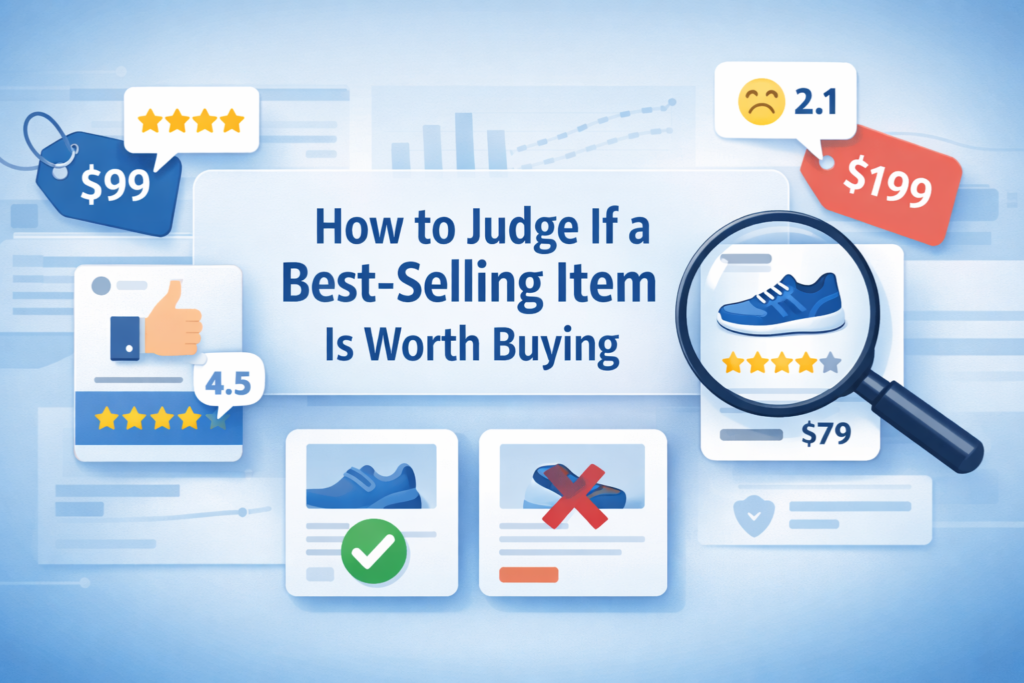
Before purchasing any Republic Day best-seller, check:
- Whether the price holds without a bank offer
- Variant-specific pricing differences
- Return and replacement rules during the sale window
If the discount disappears when one condition fails, the demand is structural, not the pricing.
FAQs
Q: Why do the same items sell every Republic Day sale?
Republic Day best-selling items repeat because replacement cycles, inventory clearance, and buyer planning align. These products already have demand, and the sale only reduces price friction.
Q: Are best-selling items always the cheapest during Republic Day?
Best-selling items are not always the cheapest. They sell because prices cross acceptable thresholds, not because they hit the lowest historical point.
Q: Do best-selling items sell out faster than others?
Best-selling items sell out faster because demand concentrates on specific variants. Colours, sizes, or configurations outside the popular range may remain available at similar prices.
Q: Should you wait for Republic Day to buy these items?
Waiting for Republic Day helps only if your purchase is flexible. If you need a specific variant urgently, waiting often adds availability risk without improving price.


